Safe enough to have a future?
ChildFund Alliance asked me, and other children in different countries, if we feel safe.
I thought about normal things first: school, home, the road, who is nearby. When I feel safe, I can do those things without thinking about danger all the time. When I don’t, my future gets smaller. This is what we told them.
Ask me if I'm safe, and I won't tell you about laws. I'll tell you if my teacher is there. If the road is busy.
If someone's home.
ChildFund Alliance is a global network of child-focused organisations working across more than 60 countries. Its mandate, set out in the FY2026–2030 strategic framework, rests on three interconnected pillars: ending violence against children; child-sensitive humanitarian action; and child rights in a changing climate.
Want to hear what we said?
Walk with us!
What keeps me safe isn't the same as what's written down
Adults talked about protection and the future. I understand that in my own way. Protection means someone should stop bad things from happening to me. The future means I can still think about what comes next. Feeling safe is what makes that possible. If I feel safe, I can go to school, play, ask for help, and make plans. If I don’t, those things get harder.
Before I show you my street, let me explain two words the adults kept using.
PROTECTION
the systems, institutions, relationships and practices, formal and informal, set up to prevent and respond to harm.
SAFETY
whether a child can actually feel safe, handle risk, find help and have a say, in the real places and relationships of their life.
And we don't all live the same day. Girls and boys, younger children, children with disabilities, children who don't get to go to school — safety looks different for each of us.
The same street can feel completely different depending on who you are.
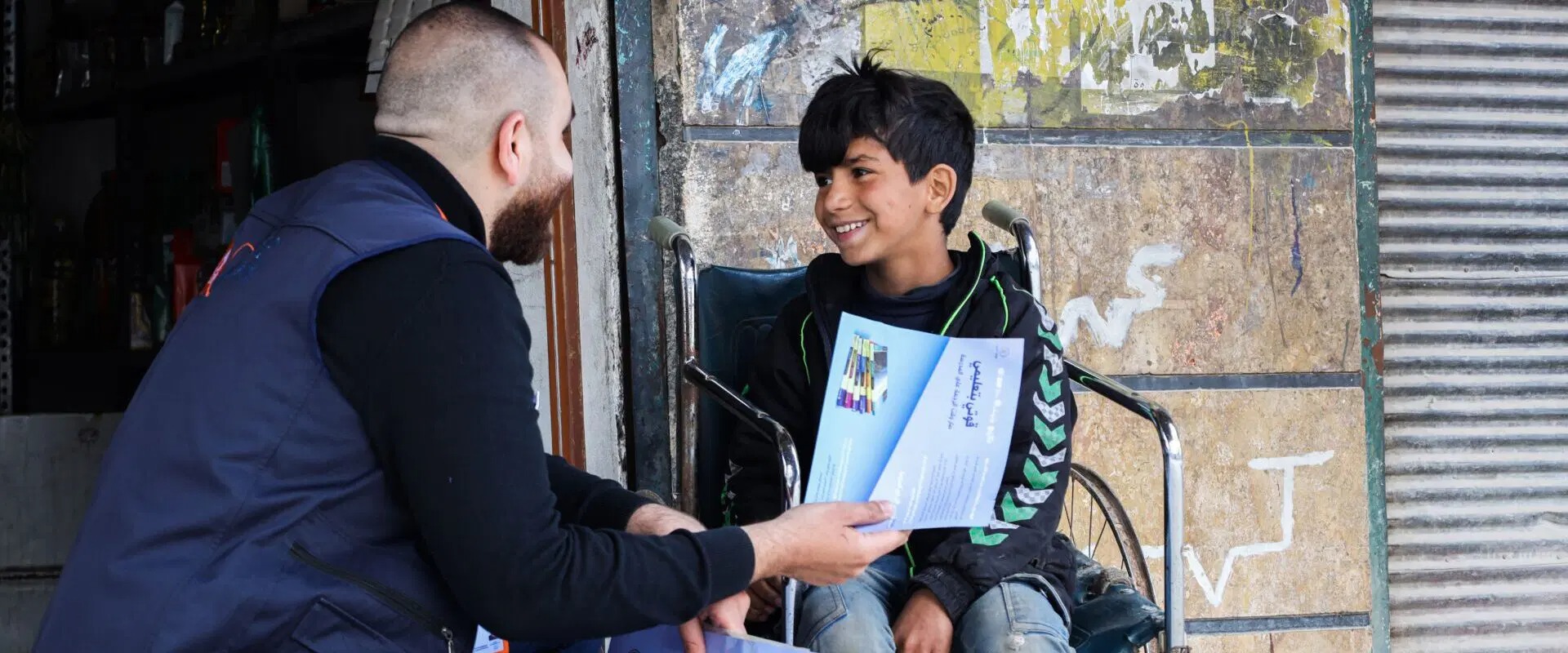
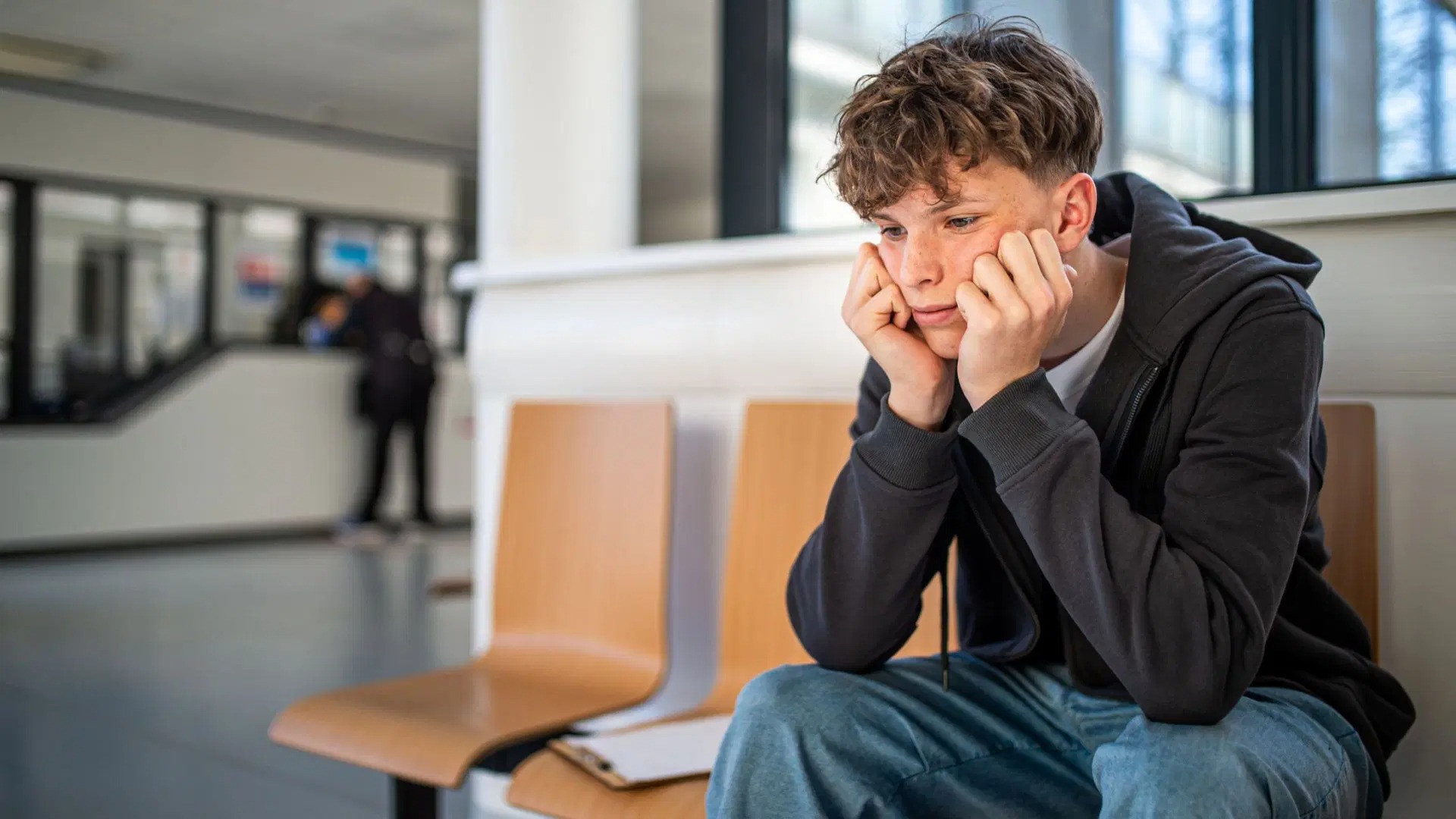
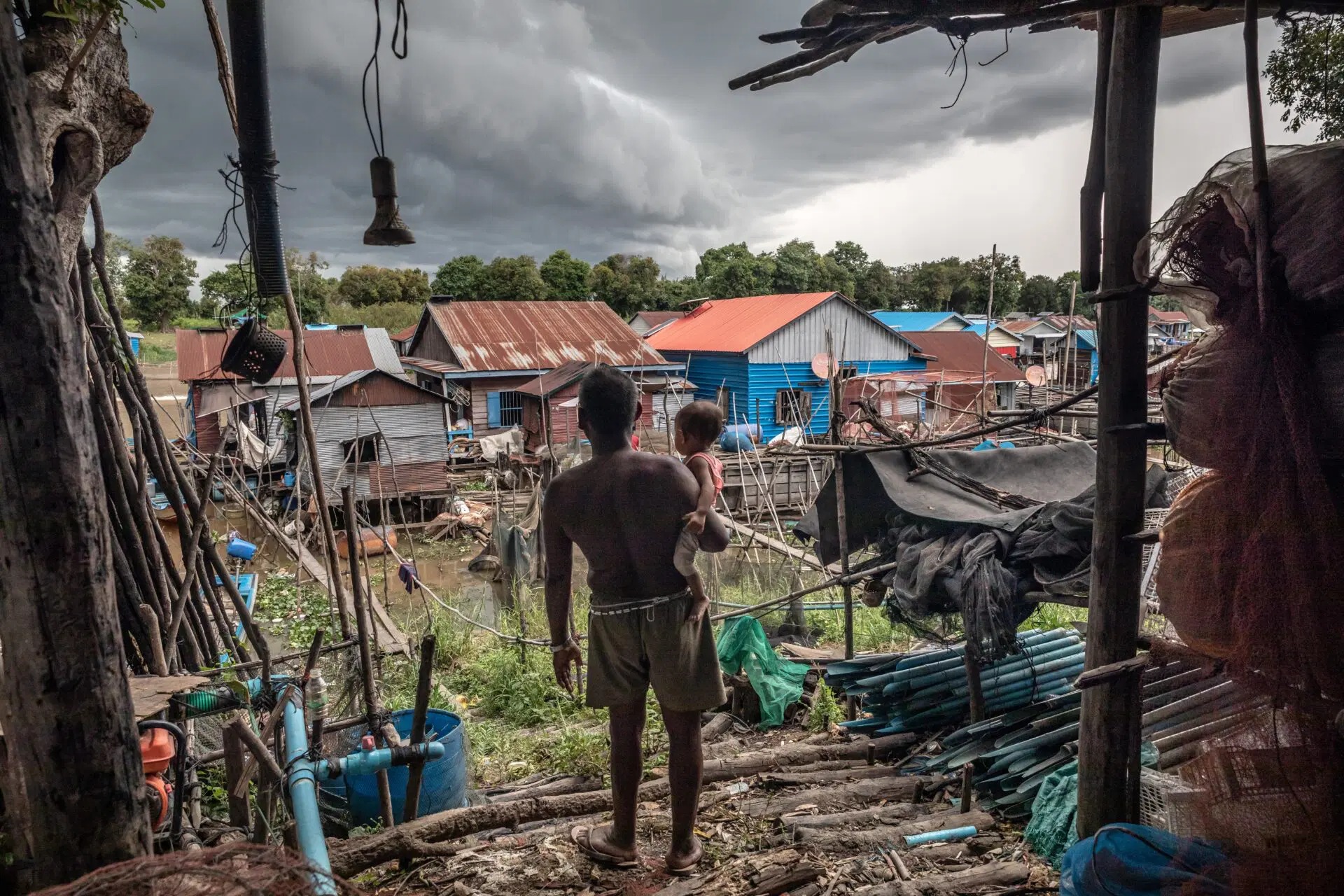
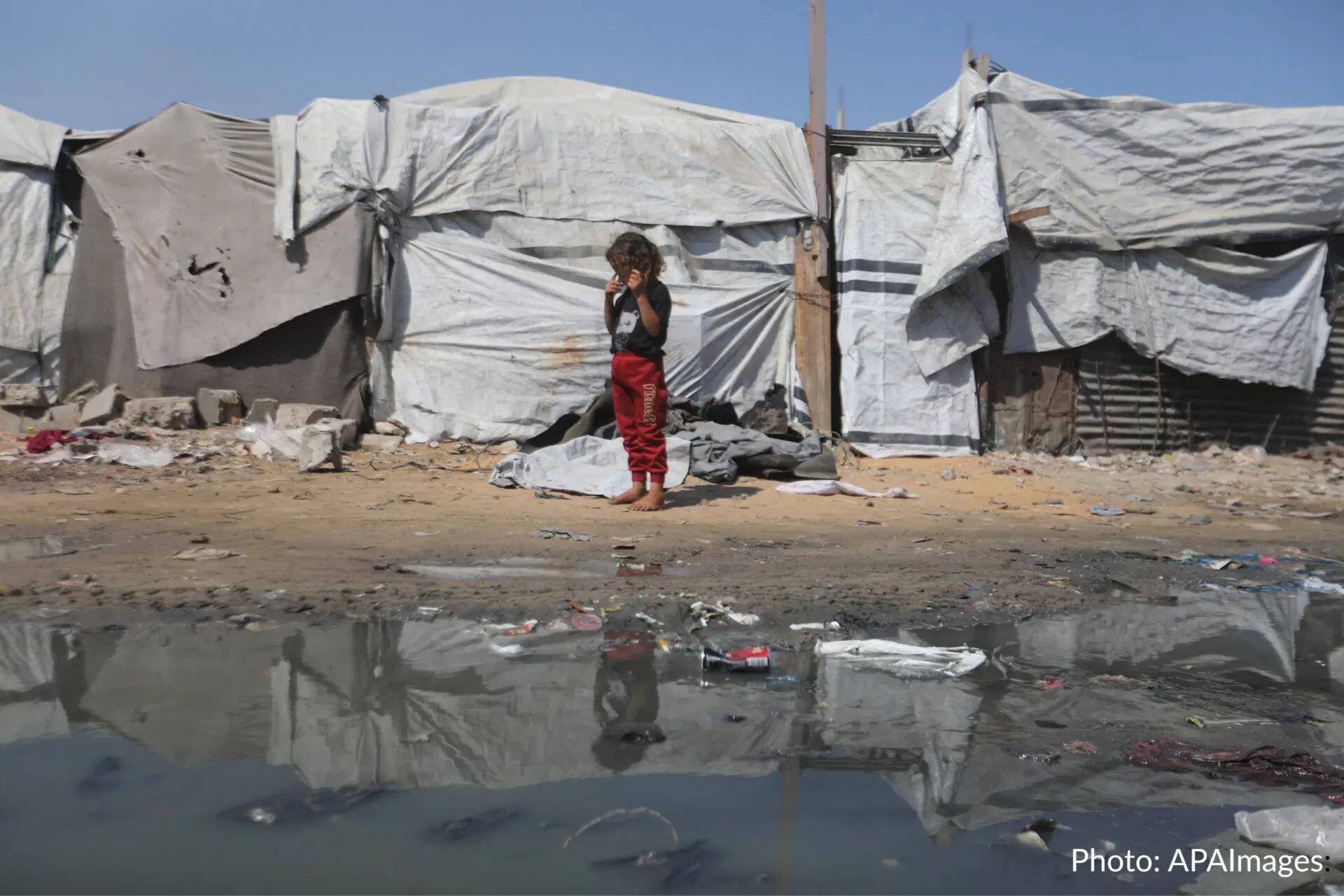
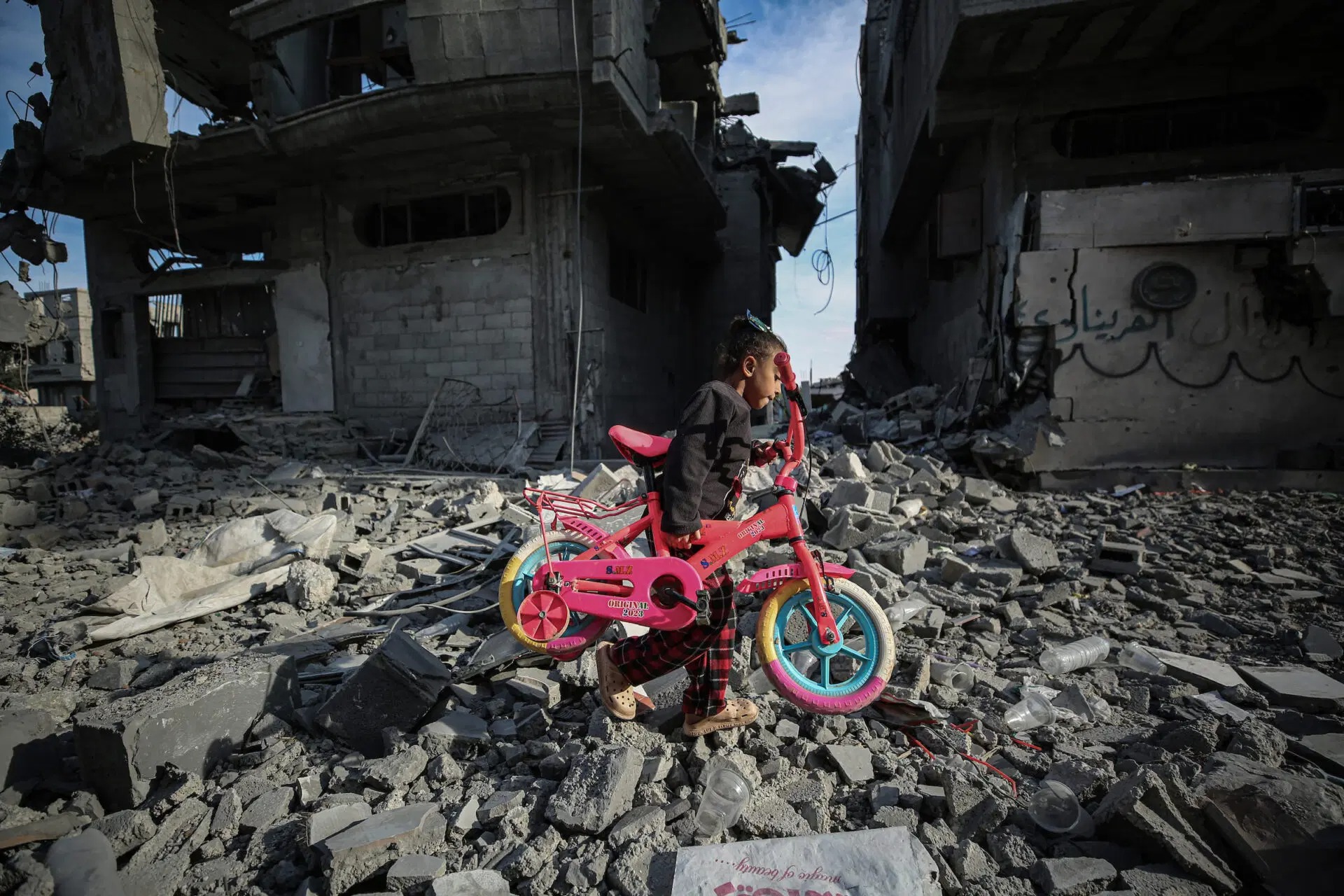
A rule can exist, but still not help me when I need it.
That is the part we wanted to show.
It’s something ChildFund Alliance cares a lot about. It means I am safe now, and I can still think about later. What I want to do. Where I might go. Who I might become. But that can start to disappear. If I am scared, if we have to move, if nobody asks what I think, the future starts to feel far away.
Where
I feel safe
and where
I don't go
A place is not safe just because it has walls. Home feels safe when the right people are there. School feels safe when the teacher is there. If something bad happens inside, or if nobody helps, that place can stop feeling safe.
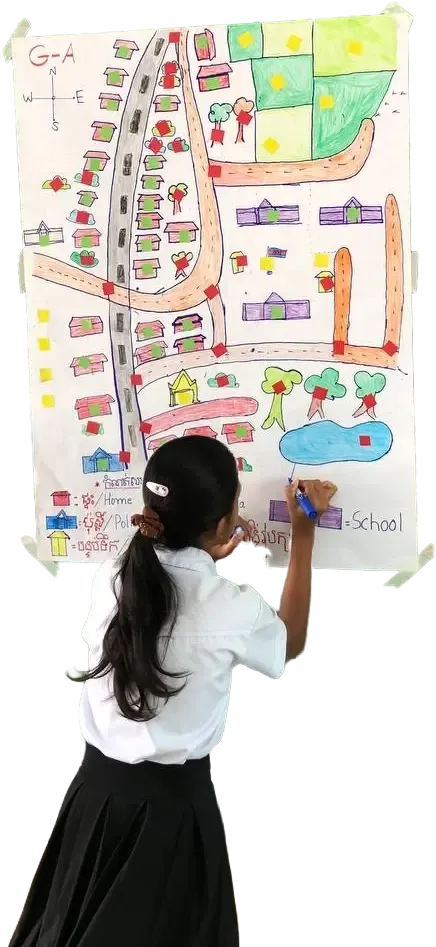
Here's my day, more or less. Some places feel safe. Some I stay away from.
The map
we drew
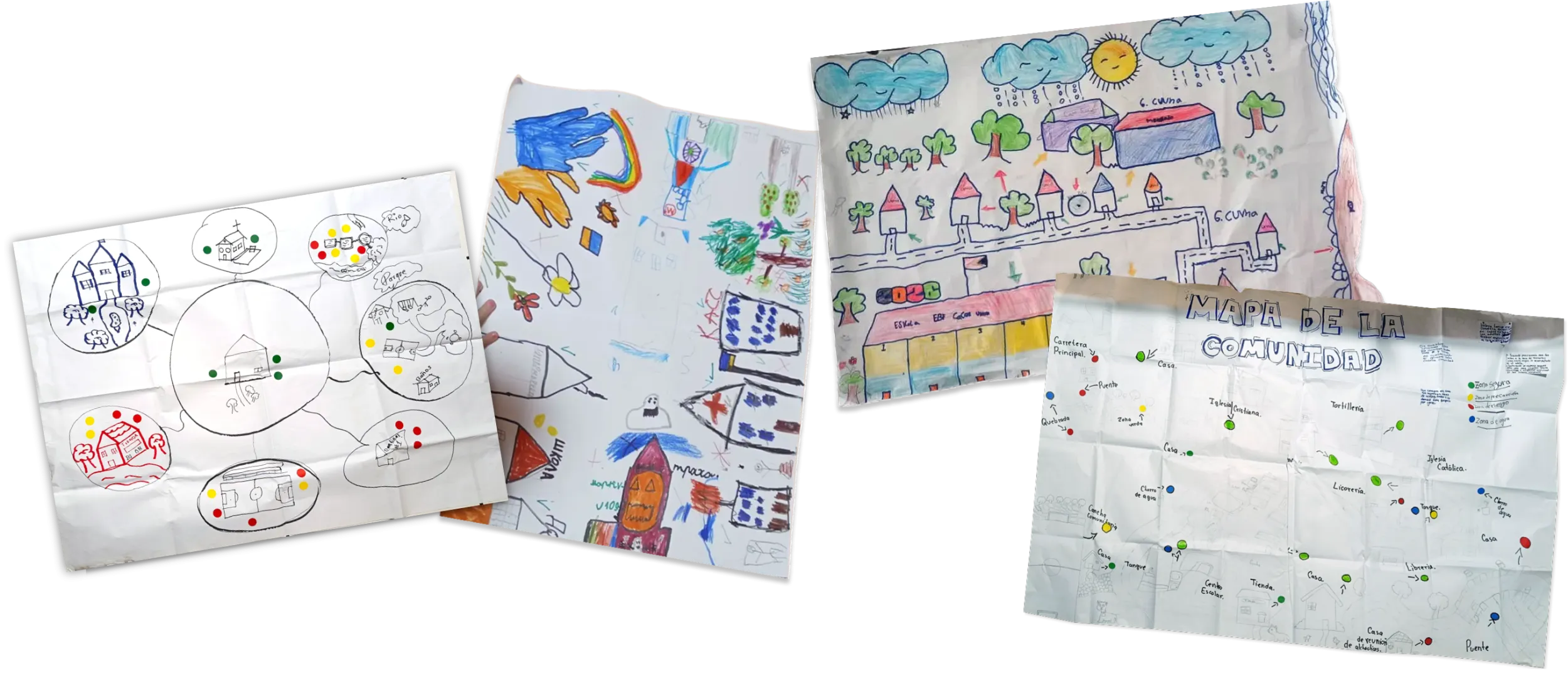
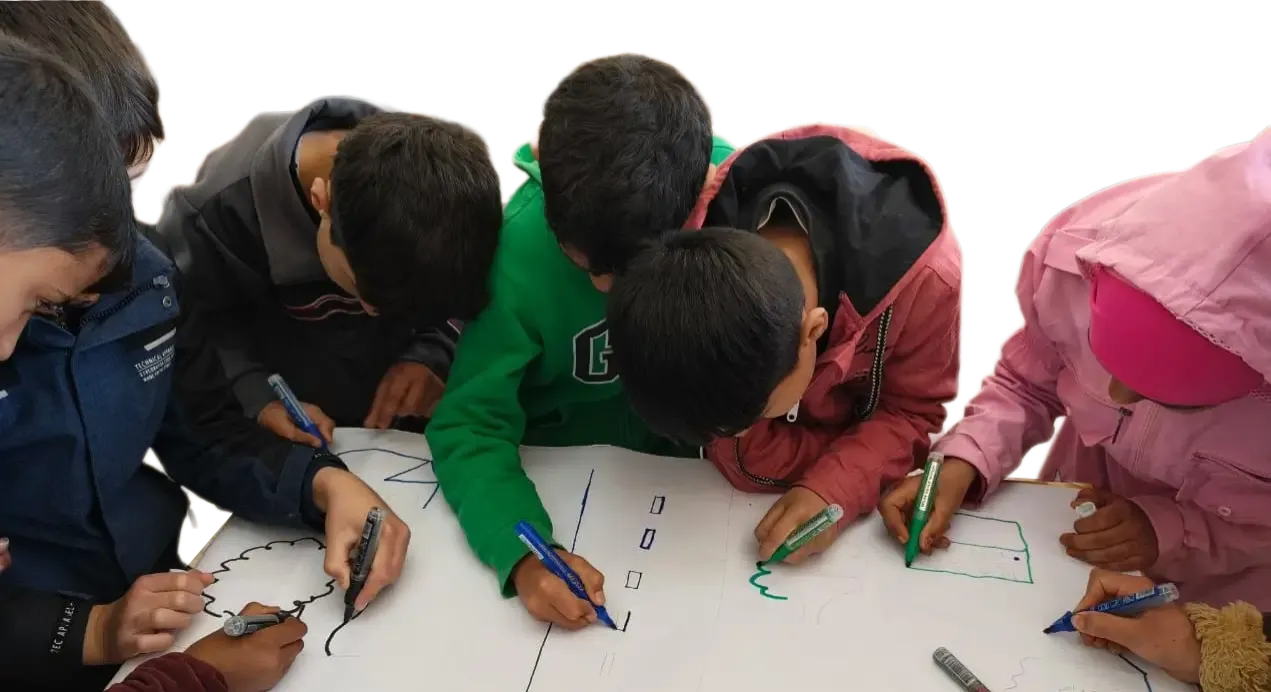
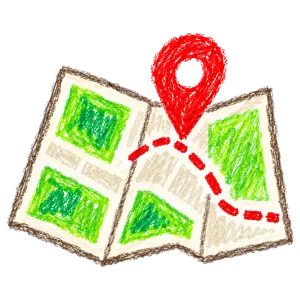
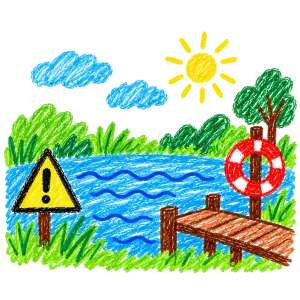
So I drew it for you. Green is where I feel safe, red is where I don't. I marked the road, the empty house, the river — and who I think should fix them.
Where children feel safe?
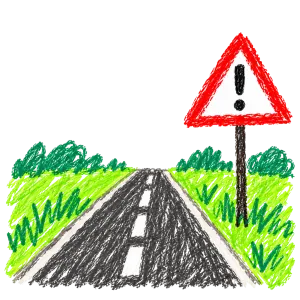
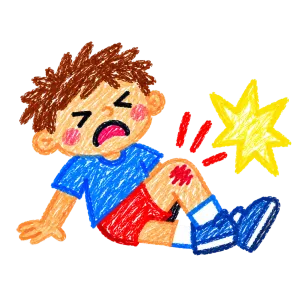
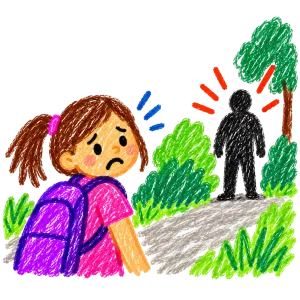
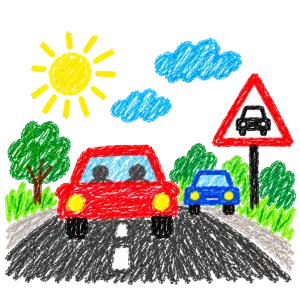
What makes a place unsafe?
Who do we go to when something's wrong?
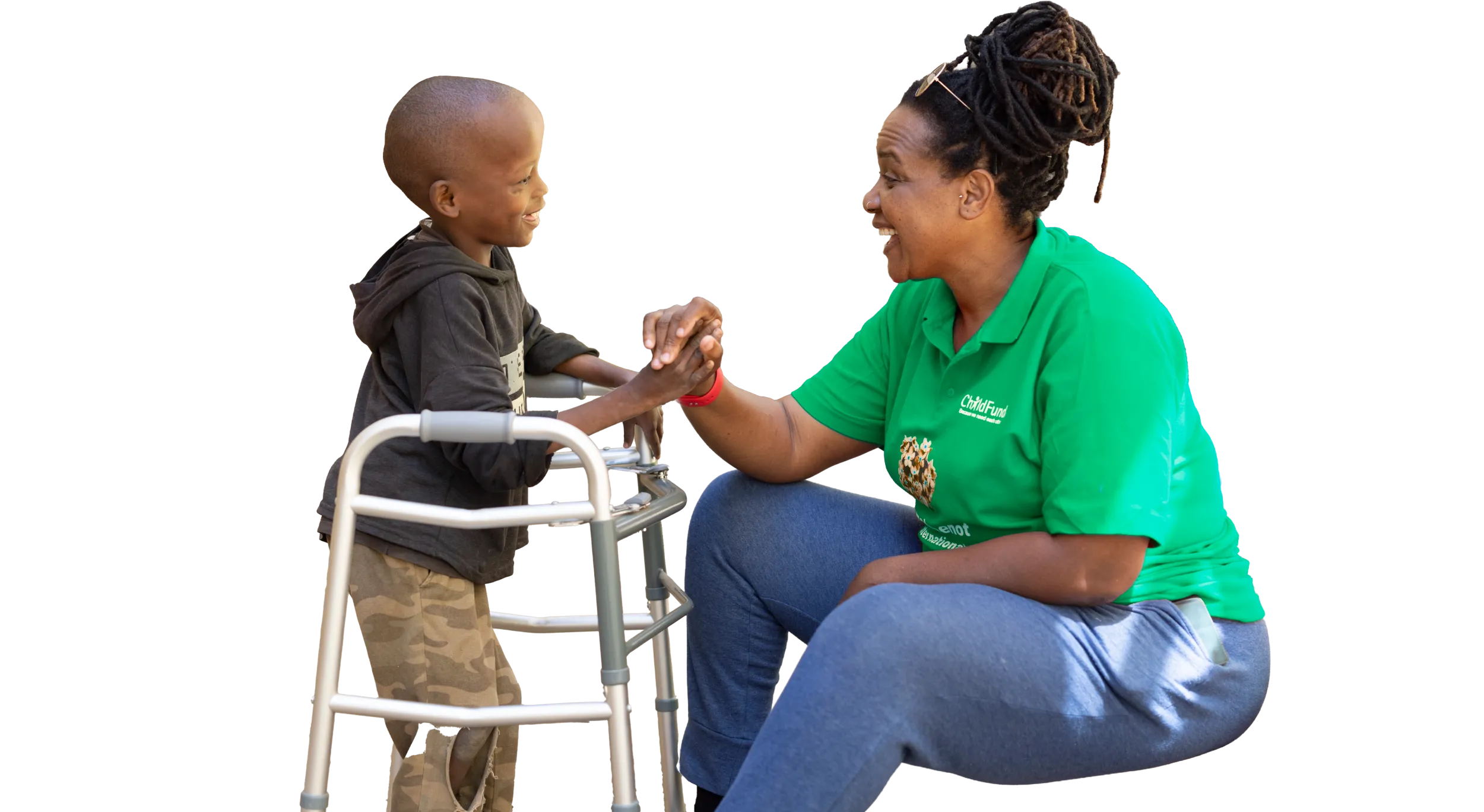
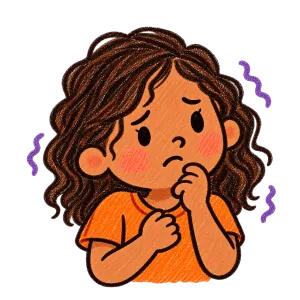
Most of us would go to family first. Then to teachers. Not many of us mentioned official services. Maybe we do not know they exist. Maybe we would not know how to reach them. Trust helps, but it is not the whole answer.
I may have someone i trust.
But still need to know what to do if something serious happens.
Even when we have someone we trust,
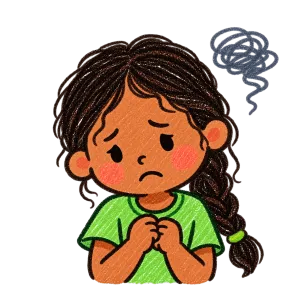
some of us still don't believe we could get help in a crisis.
If talking to an adult felt easy, then more of us would ask for help.
So it is not only about trust. It is also about what happens after I tell someone.
Do they know what to do?
Is there someone else to call?
Can help actually arrive?
Talk to a trusted adult is..
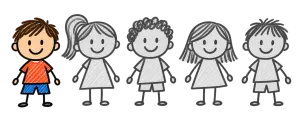
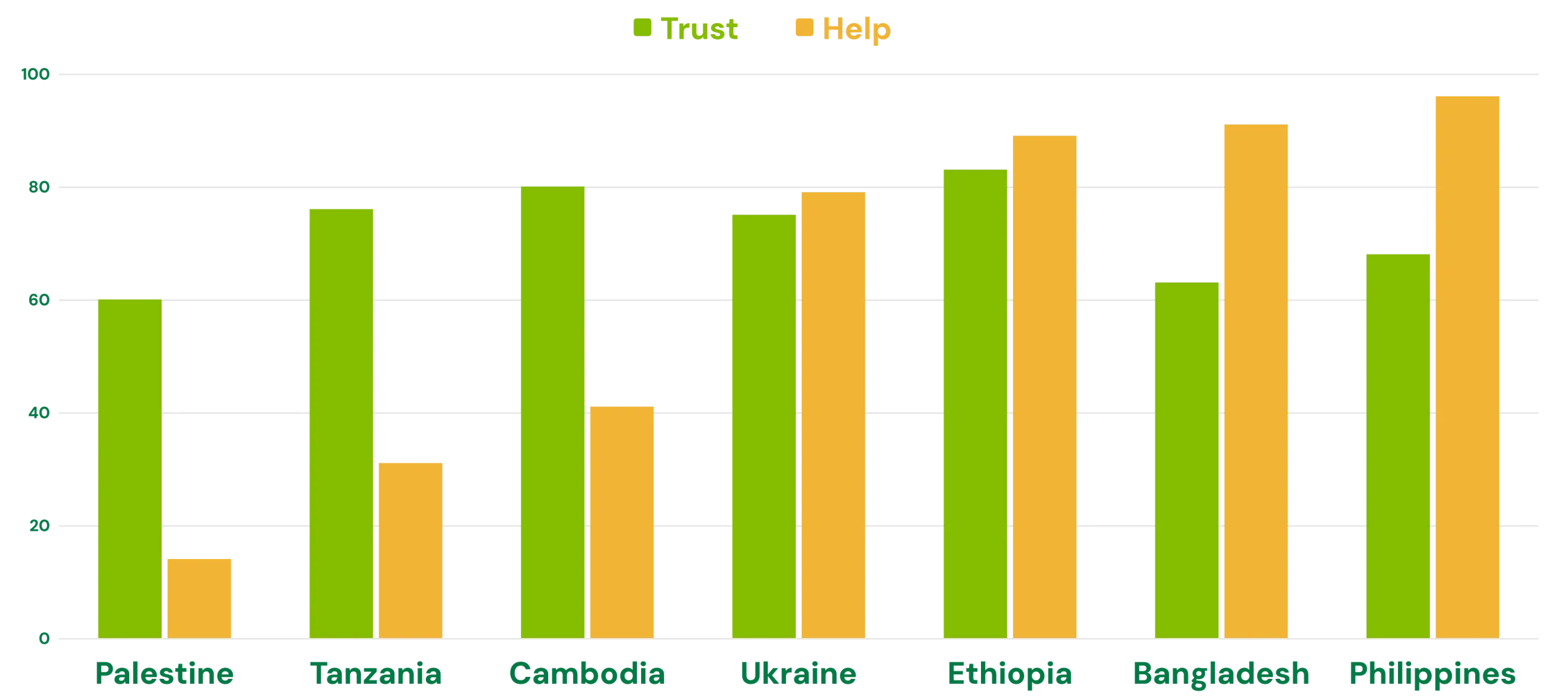
Almost all of us have someone we trust. But whether we could actually reach help? That's a completely
different picture.
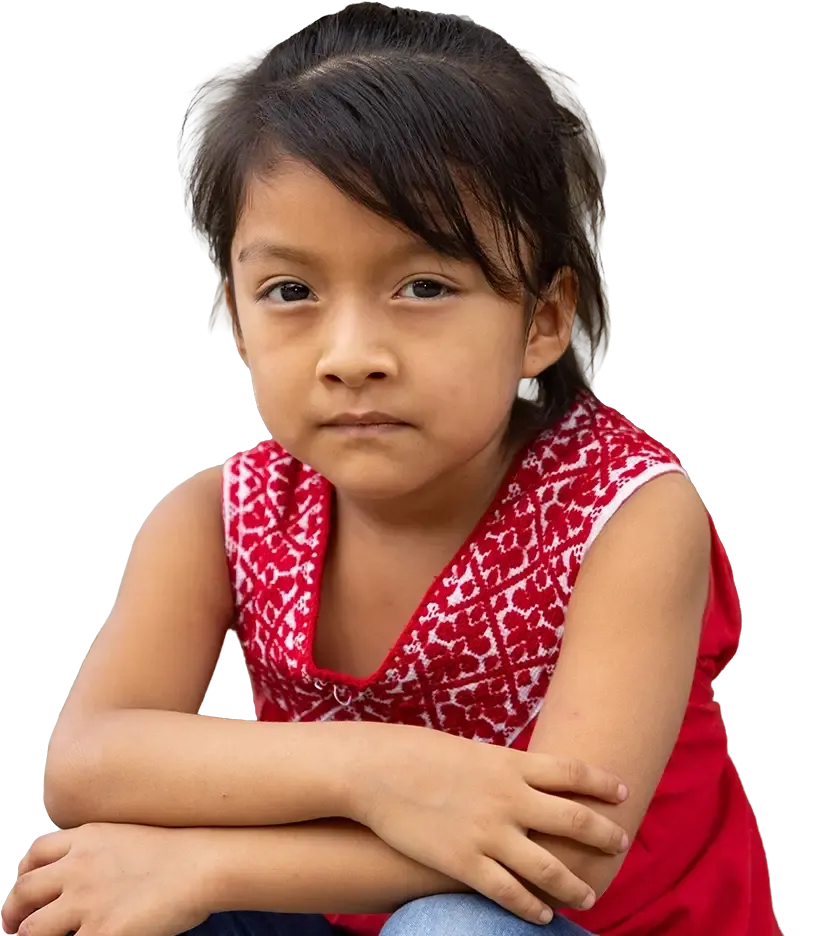
Social Violence  Displacement
Sometimes it's not one thing, it's everything at once
For a lot of us, a crisis isn't something that interrupts normal life, it's just part of normal life. The weather, the fighting, the things that stop working, all at the same time. Two of them came up more than anything else.
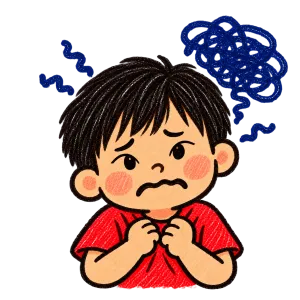
When they asked what scares us most, the answers were not all about one kind of danger. The thing that worried us most was getting sick, or someone we love getting sick. After that came fighting, near us or somewhere far away. Then the weather.
For a lot of us, the hard part isn't one thing going wrong. It's everything at once.
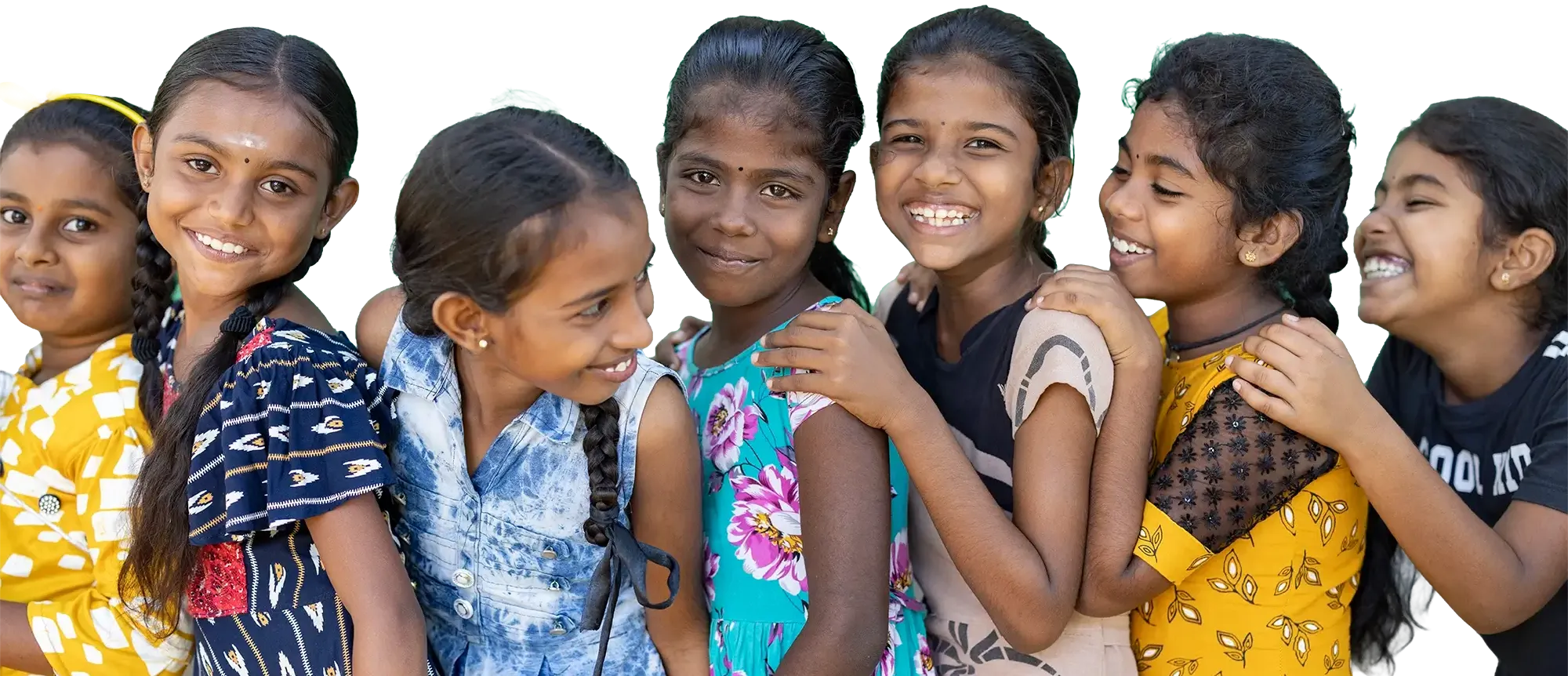
Children's rights in a
changing climate
For us, climate change can be very practical. A road floods. A family has to move because there is no rain. It gets too hot to stay in school. A place that was fine before can become risky.
Children's rights in the
middle of conflict
Conflict changes how we move around, and how we read the places near us. The line between safe and unsafe gets sharper, and a lot of the day is spent trying to stay out of trouble. But it doesn't always stop us from getting help. In some countries, where children are living through active war, they still feel they could reach someone. In others where there is no war, they don’t feel like that. What made the difference was what was already there before things got hard — the schools, the services, the adults we already knew and trusted.
And none of this hits us the same way.
A child with a disability, a children who's already out of school, a younger child — we all live the same crisis pretty differently.
All of this happens in a world that isn't really set up for us yet. On the World Index, a lot of countries are still in the lowest groups for children's rights, which means a huge number of kids are growing up there. It's slowly getting better. But the lowest score in the whole Index is for women's education — and that ends up shaping what girls like me think we're allowed to hope for.
Context
Children
Women
23.9%
Countries with limited or minimal guarantees of the rights of children and women (≈ 1 in 4)
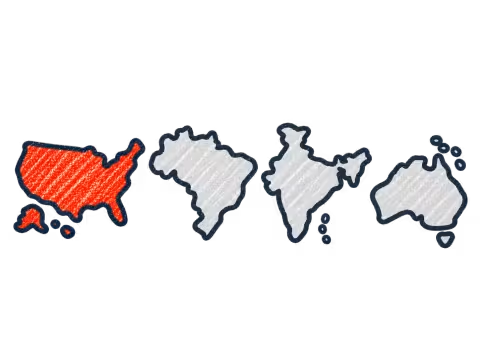
~2.5 bilion
Children living in those countries (1 in 3 worldwide)
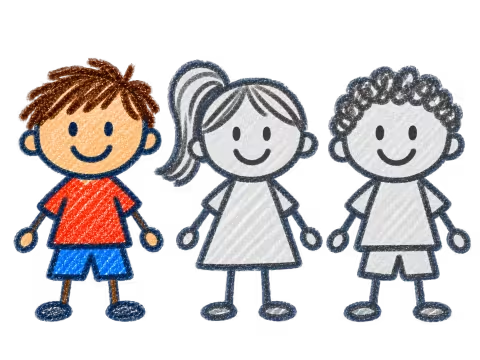
~2.3 bilion
Women living in those countries (1 in 7 worldwide)
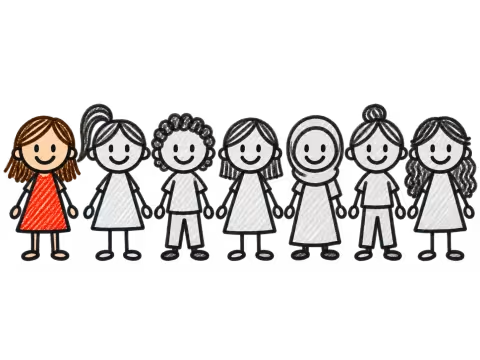
It's a composite index of 30 indicators that ranks 134 countries on how far they've put children's and women's rights into practice. It measures women's rights too, and that matters for us: the chances the women around me have — to learn, to work, to be safe — shape what I get to believe is possible for my own life, especially if I'm a girl.
Ask us
what we'd change
When they asked if we feel free to choose who we'll become, most of us said yes, but a few said they don't really think about the future at all. Those are the ones that stay with me because when a child stops picturing a future, usually something already got in the way.
When someone actually listens to us, we start to feel like what we do counts for something. It's not about talking a lot it's about someone answering, at least sometimes. When we talk and nobody ever answers back, we slowly stop participating.
Some of us still think we can change things. Some of us are not so sure. We notice what is broken. But if we speak and nothing happens, after a while we stop expecting an answer.
Ask me what I'd change because I've got Ideas.
And when someone really listens, I start to believe they might happen.
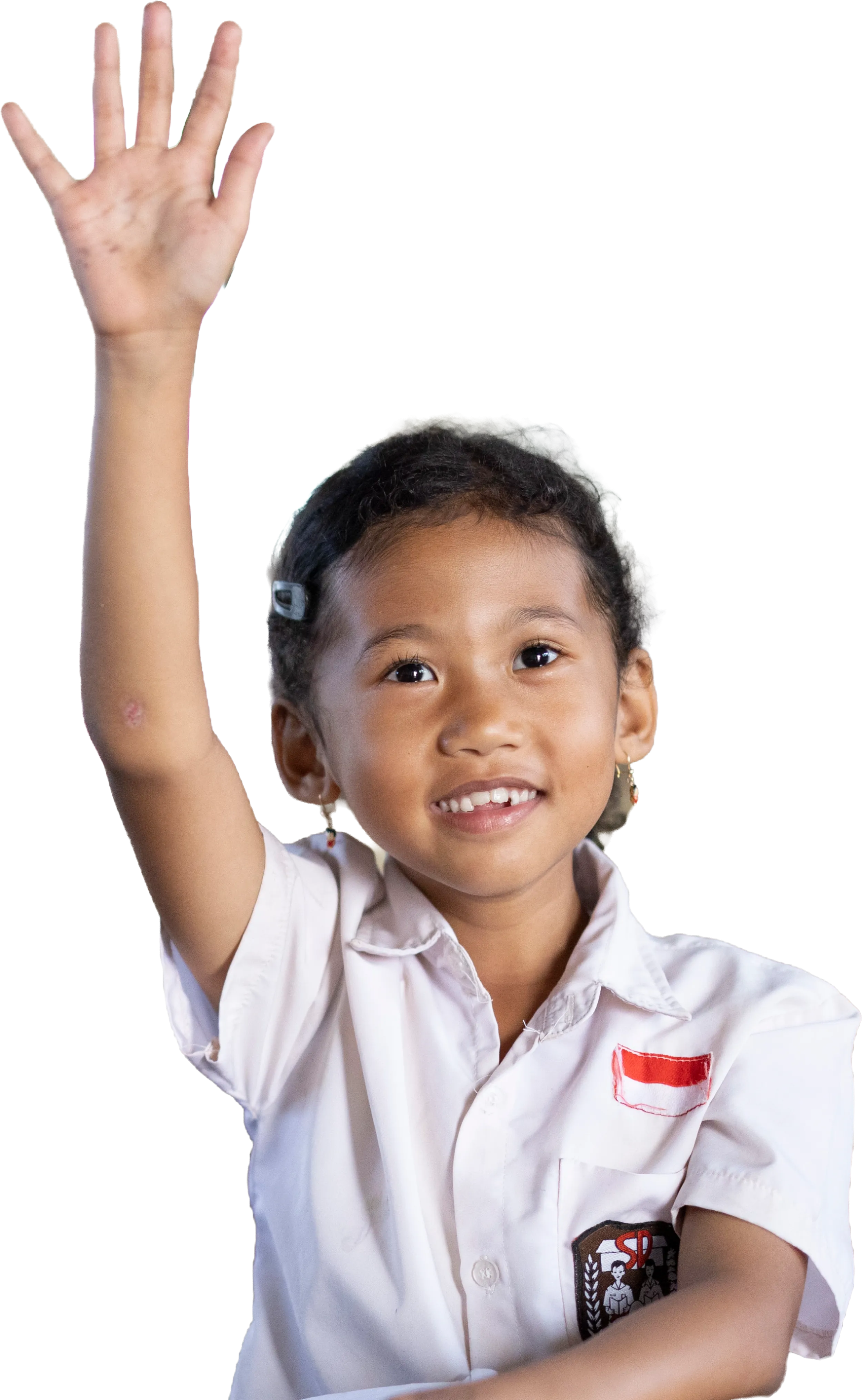
The Convention on the Rights of the Child is the world's promise about what every child is owed. Article 12 is my favourite: it says adults have to listen to us on things that affect us and take what we say seriously.
Can you make free choices about your future?
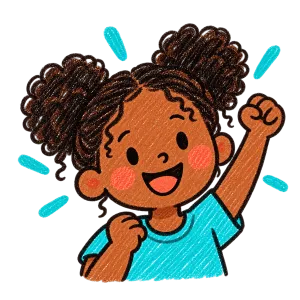
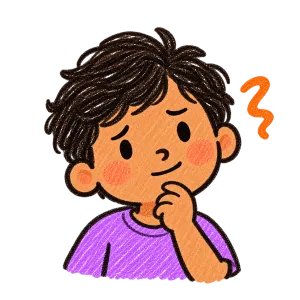
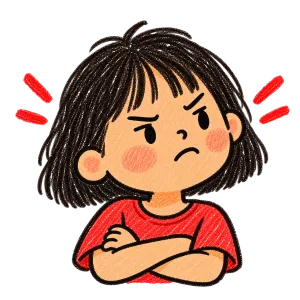
What we ask
Explore the data,
country by country
The ranking, what we said, and what we drew do not always tell the same story.
Pick a country and look at all three.
How to read the evidence
Structural indicators alone are not enough to understand children's wellbeing. Subjective accounts alone lack systemic context. Territorial knowledge alone remains local. Together, the three sources offer a view that none could produce in isolation.
We showed you the places that feel safe, and the places that do not. We told you who we go to for help. Now adults have to use that. And we need to be part of what happens next.
We showed you where to start.
Explore the full report and the child-friendly booklets.
You can find all the available documents here.